FAQ’s
Green Mountain Insulated Glass
What Is An Insulated Glass Unit?
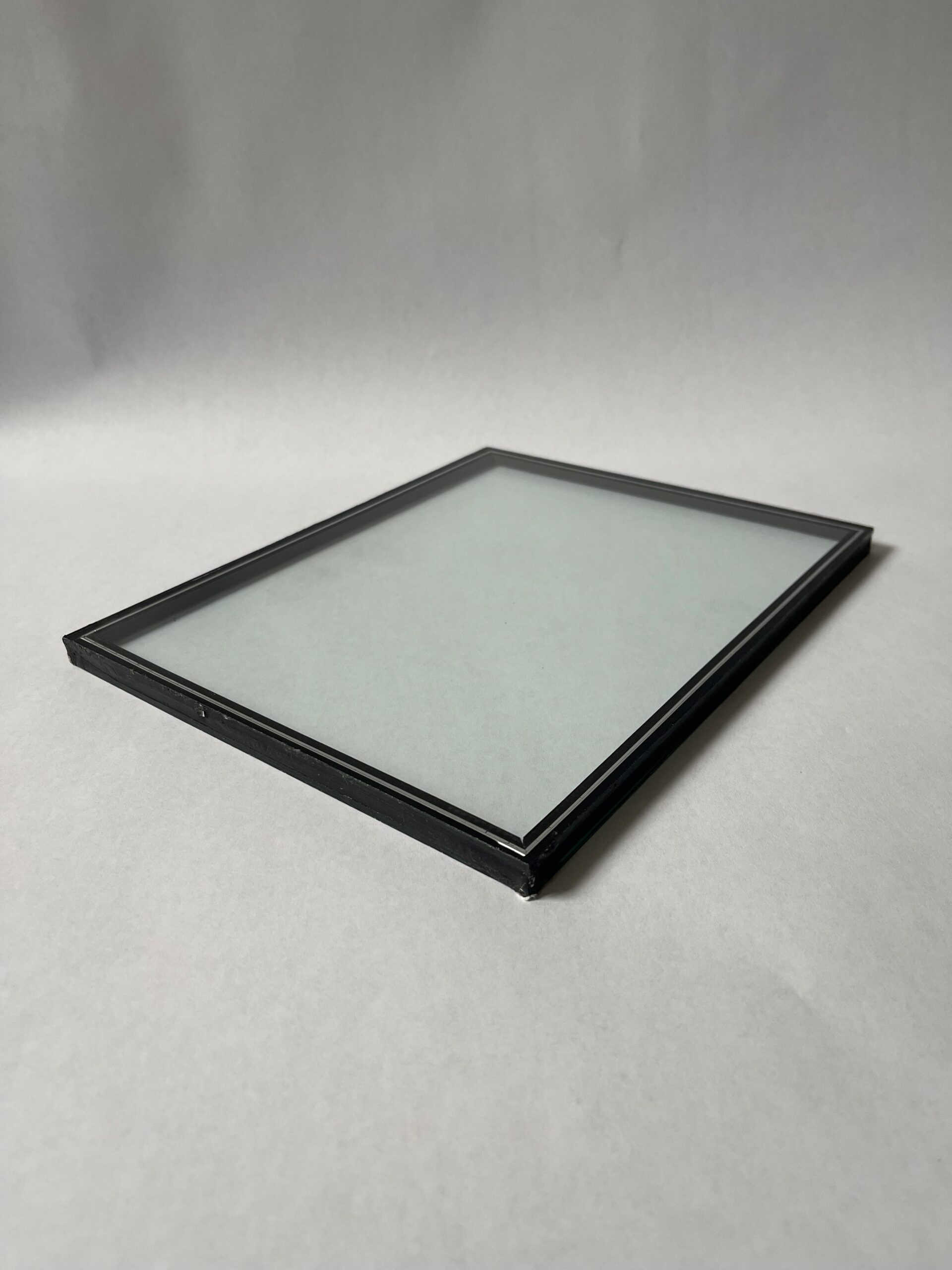
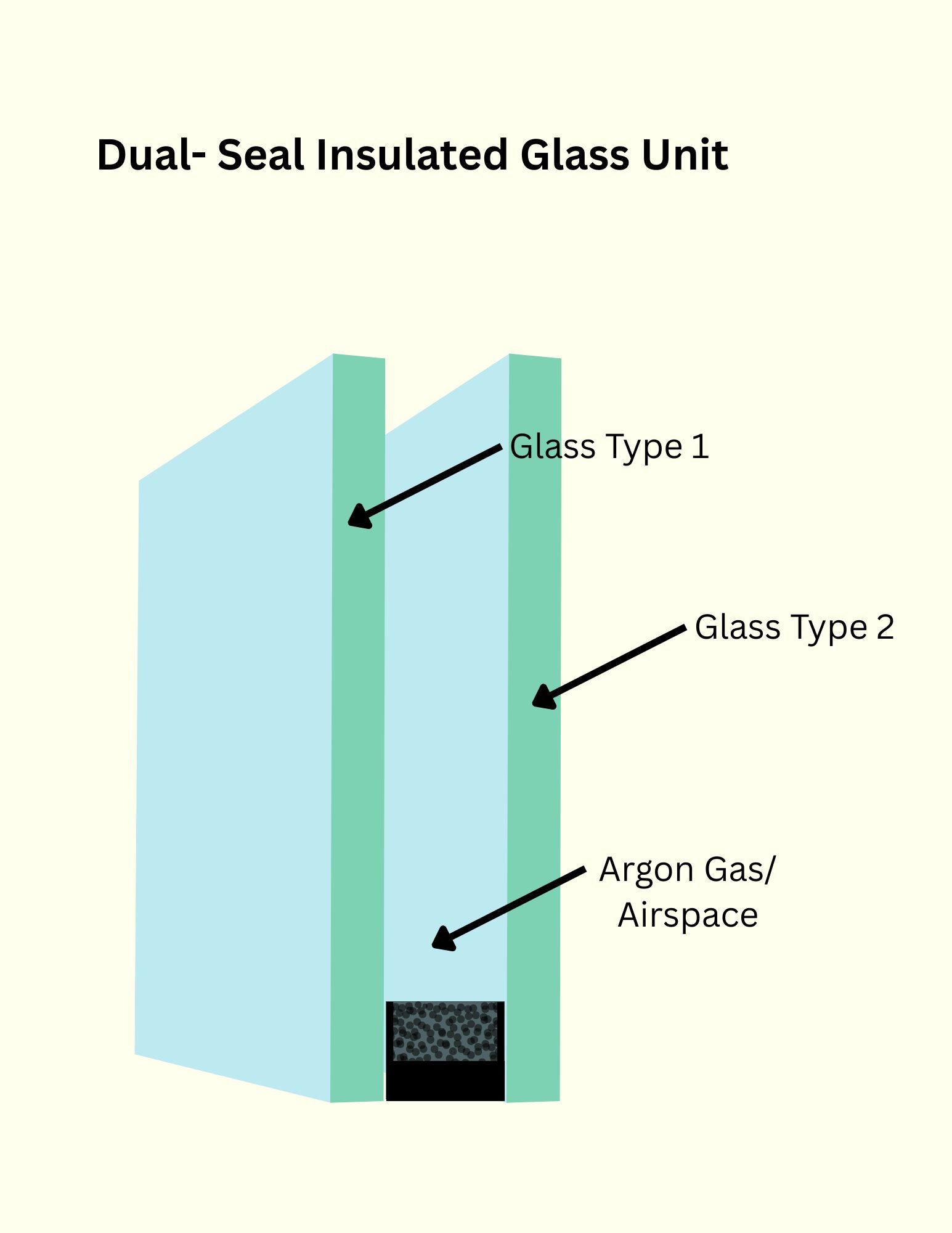
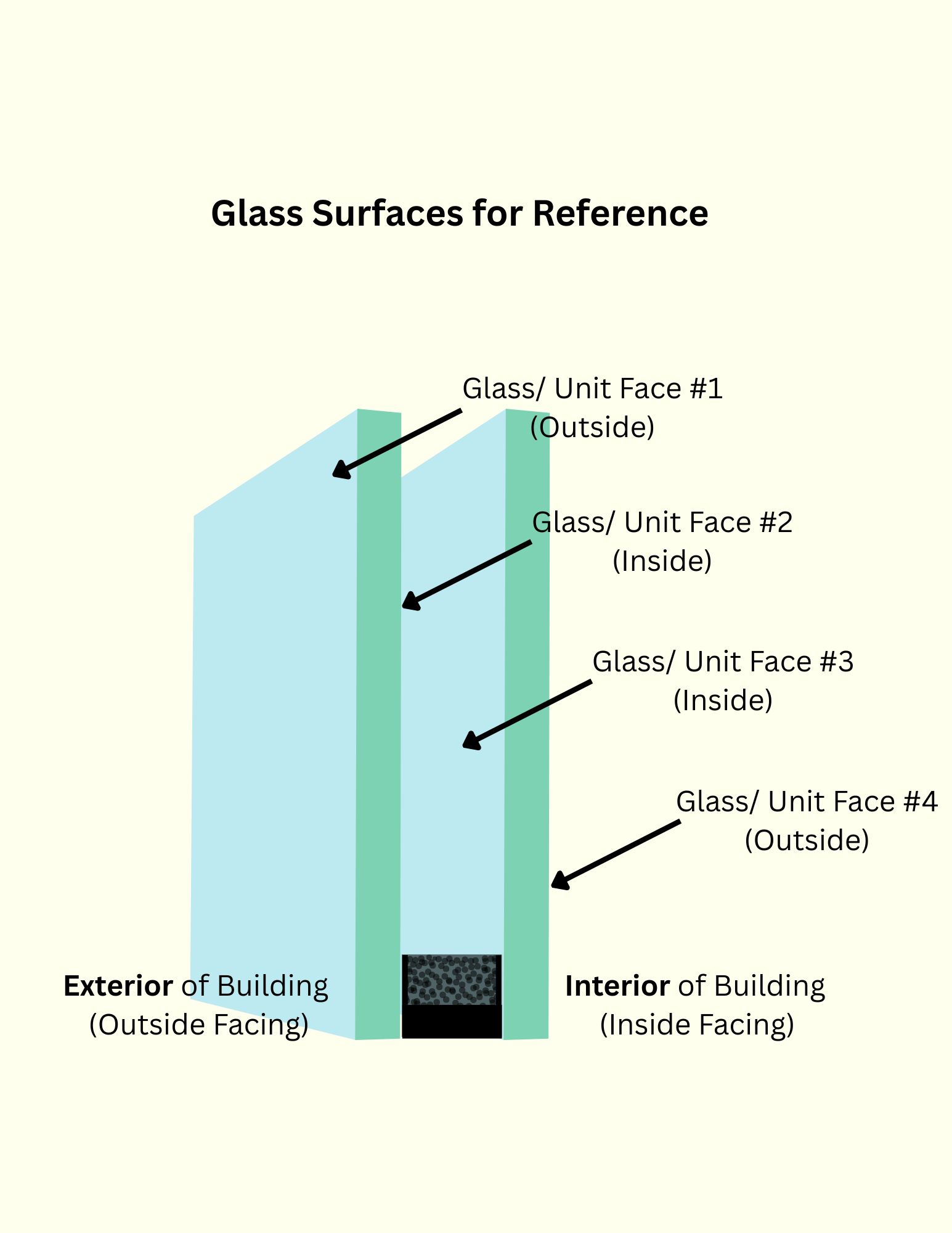
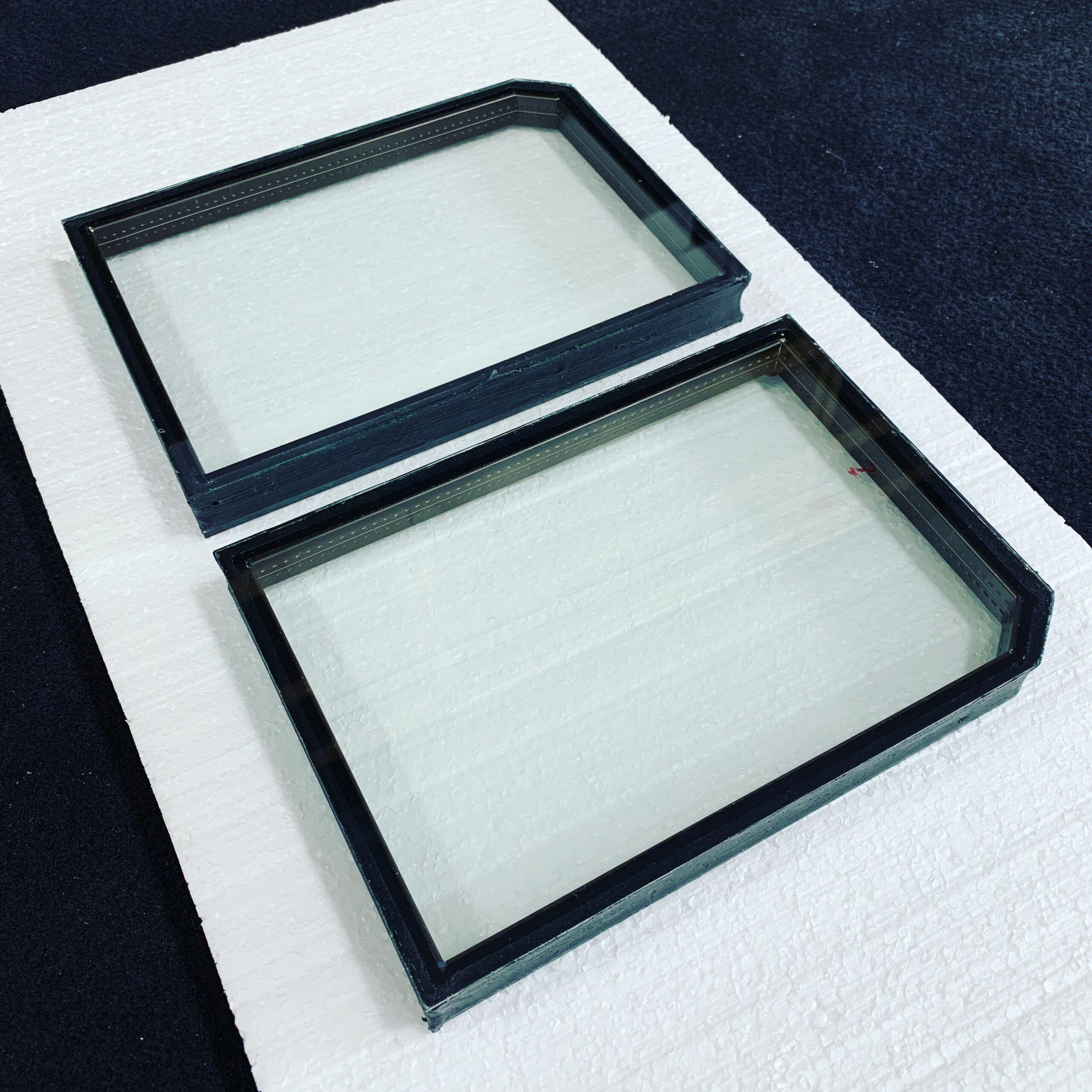
An IGU is a sealed window unit made up of two or more panes of glass separated by a spacer and sealed around the edges. The space between the glass is filled with air or gas (like argon) to improve insulation.
What are the benefits of insulated glass?
-
Improved energy efficiency
-
Reduced noise
-
Better temperature control
-
Lower utility bills
-
Less condensation
How is an IGU different from regular single-pane glass?
Single-pane glass only has one sheet, so it doesn’t insulate well. An IGU creates a barrier between outside and inside temperatures, which helps keep your space comfortable year-round.
What types of glass can be used in IGUs?
-
Clear
-
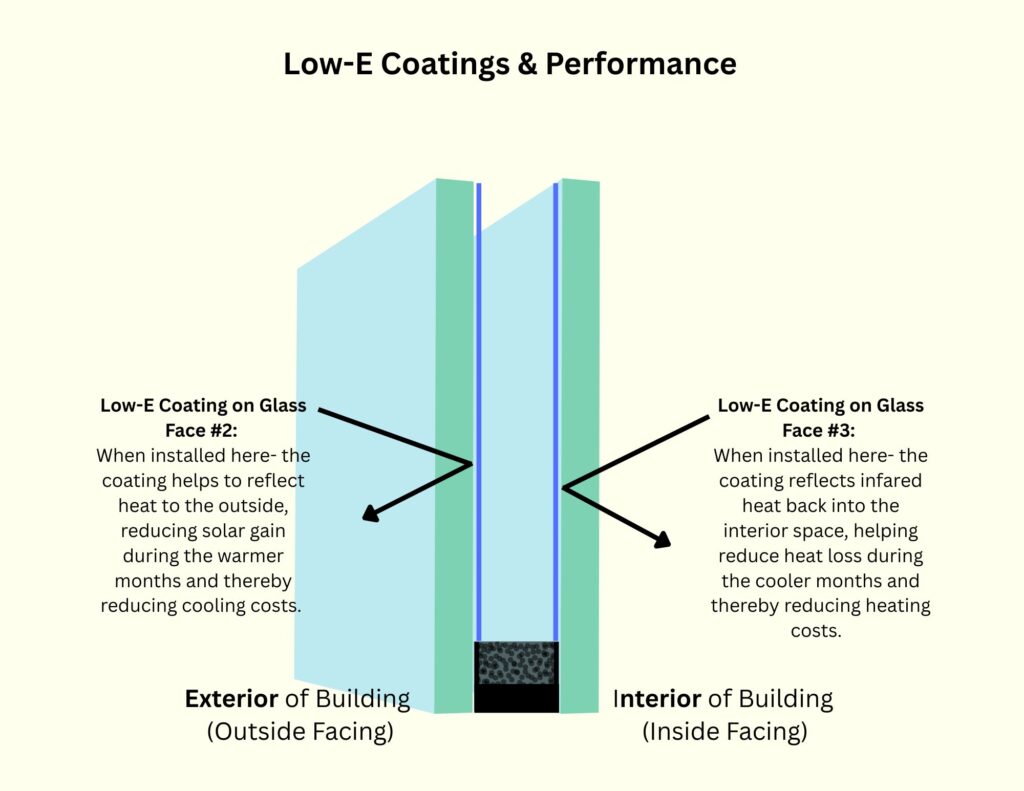
Low-E (Low Impassivity)
-
Tempered or Safety Glass
-
Tinted or Reflective Glass
-
Historical or Textured Glass
Each type has different energy or safety benefits.
True Divided Lites (TDL) vs. Simulated Divided Lites (SDL):
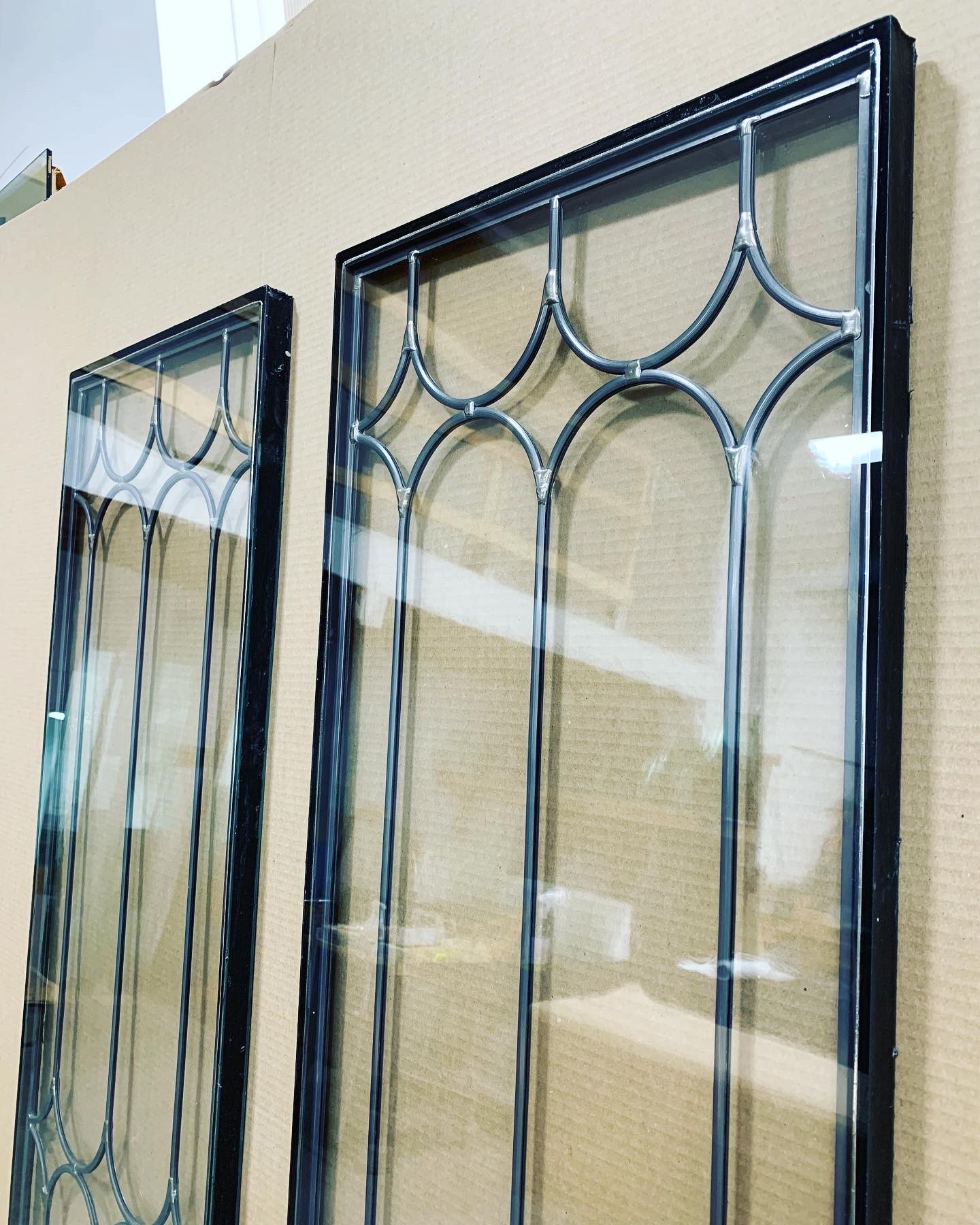
True Divided Lites (TDL) and Simulated Divided Lites (SDL) are two methods of creating the appearance of multiple panes of glass within a single window sash.
True Divided Lites (TDL)
Definition:
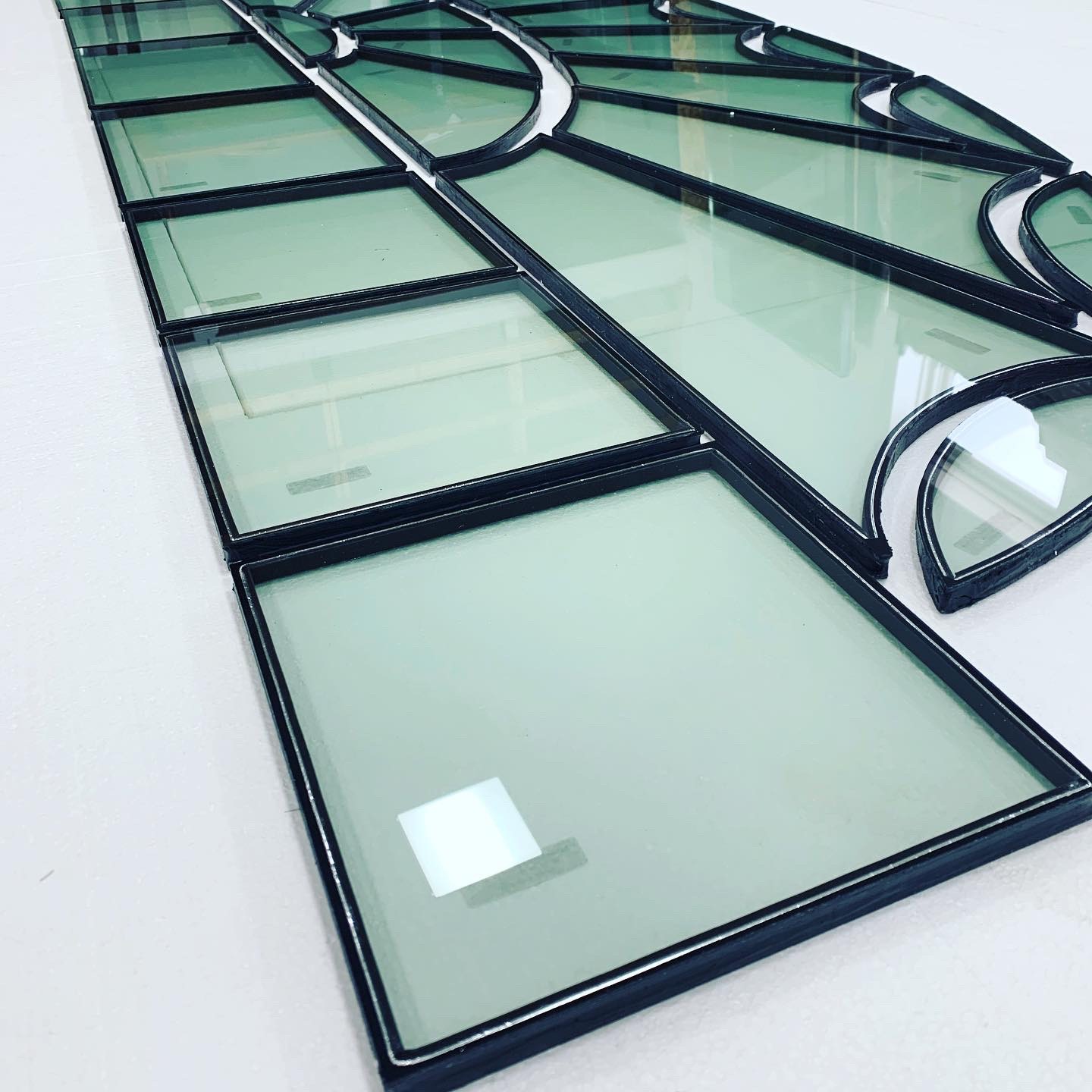
Each individual pane of glass is separated by actual muntin bars (the strips that divide the glass).
Construction:
-
Multiple small panes of glass are glazed individually into the frame.
-
Each pane is truly separate.
Advantages:
-
Authentic, traditional look (especially valuable in historic restorations).
-
True to architectural heritage.
Disadvantages:
-
More expensive to fabricate and install.
-
Less energy-efficient (more potential for air leakage between panes).
-
Harder to clean due to multiple individual glass panes.
Simulated Divided Lites (SDL)
Definition:
A single pane of glass is divided visually using applied muntin bars on the exterior and/or interior surface, often combined with a spacer bar between the panes (for double/triple glazing).
Construction:
-
One insulated glass unit (IGU) with muntin grids adhered to the glass surfaces.
-
Often includes a spacer bar between the glass layers to simulate depth.
Advantages:
-
More energy-efficient (single sealed IGU).
-
Easier to clean (fewer actual joints).
-
More affordable than TDL.
-
Can closely mimic the look of TDL, especially with interior/exterior bars plus spacer.
Disadvantages:
-
Not as historically accurate.
-
Less depth and dimension in the muntins compared to true divided lites.
-
May not be acceptable for certain preservation projects.
Triple Glazed IGU (Insulated Glass Unit):
A Triple Glazed IGU is a sealed glass unit made of three panes of glass, separated by two air or gas-filled spaces, and typically sealed into a single unit.
Key Features:
-
Three Glass Layers: Improves thermal and acoustic insulation.
-
Two Spacer Cavities: Filled with air or insulating gas (like argon or krypton).
-
Sealed Unit: The edges are sealed to create an airtight, moisture-resistant unit.
Benefits:
-
Superior Energy Efficiency: Greatly reduces heat transfer compared to single or double glazing.
-
Condensation Resistance: Better control of interior glass surface temperature.
-
Enhanced Comfort: Reduces cold drafts and improves sound insulation.
-
Increased Performance Ratings: Meets or exceeds modern building codes in cold climates.
Where It’s Used:
-
High-performance residential and commercial buildings.
-
Passive House and Net-Zero projects.
-
Areas with extreme climates (cold or hot).
Additional Questions:
What’s the difference between air and gas-filled IGUs?
Air-filled IGUs use regular dry air between the glass panes.
Gas-filled IGUs are filled with inert gases like argon, krypton, or xenon, which are denser than air and provide better thermal insulation.
| Feature | Air-Filled IGU | Gas-Filled IGU |
|---|---|---|
| Cost | Lower | Slightly higher |
| Insulation | Standard | Better thermal performance |
| Common Gases | N/A | Argon (most common), Krypton |
How long do IGUs typically last?
Most IGUs last 15–30 years, depending on:
-
Climate conditions
-
Installation quality
-
Frame material
-
Sealant performance
Signs of failure include fogging, condensation between the panes, or reduced insulation.
What causes IGUs to fail or “fog up”?
Over time, the seals around the glass can break down, letting moisture in between the panes. This can cause fogging or condensation inside the glass unit—signs it may need replacing.
Can I replace just the glass, or do I need a whole new window?
In most cases, you can just replace the IGU itself—no need to replace the entire window frame or sash, which saves you money and avoids a full window remodel.
Can IGUs be repaired?
Generally, no—IGUs are sealed units, so if the seal fails or the glass is damaged, they can be replaced.
However:
-
In rare cases, companies may offer defogging services, but these are often temporary fixes.
-
Frame and sash repairs are usually separate from IGU replacement.
Are IGUs eco-friendly?
Yes, IGUs are eco-friendly, especially:
-
Double and triple-glazed units significantly reduce energy consumption.
-
Gas fills and low-E coatings improve efficiency and lower HVAC loads.
-
Longer lifespan reduces waste compared to older, single-pane windows.
While the manufacturing process uses energy and materials, the energy savings over time typically outweigh the environmental impact of production.
Still have questions?
Contact us today—we’re happy to help you find the best insulated glass solution for your needs!
Contact Us Today
If you have additional questions regarding Green Mountain Insulated Glass manufacturing process that is not answered above, or if you are ready to have us get started with your project, please feel free to contact one of our specialists by calling (802)772-4394.
Recent Customer Comments